Pharmaceuticals
Renewable energy designed for precision-governed, critical environments
Controlled Integration Of Renewable Energy for a Pharma Facility
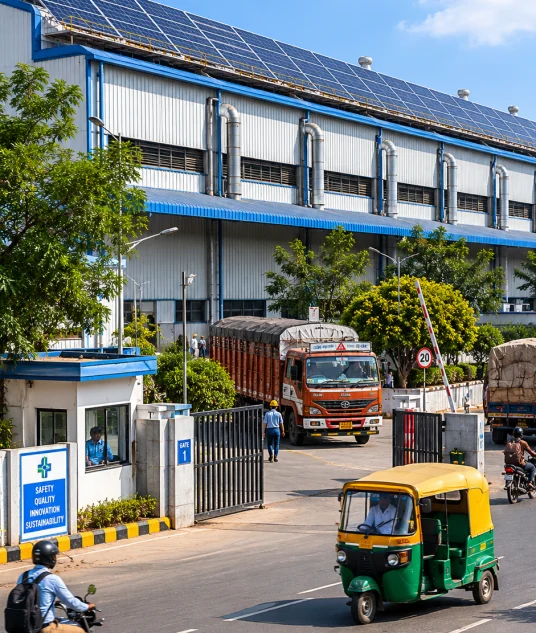
The pharmaceutical industry in India depends on uninterrupted, high-quality power for production, temperature-sensitive operations, and compliance-driven manufacturing.
Renewable energy solutions, solar and wind power procurement, EPC execution, O&M, and energy management services help pharma companies reduce energy costs, improve reliability, and advance net-zero transition goals. With stronger asset performance and optimised power sourcing, pharma businesses can enhance sustainability, protect margins, and generate better long-term ROI from clean energy investments.

The Challenge
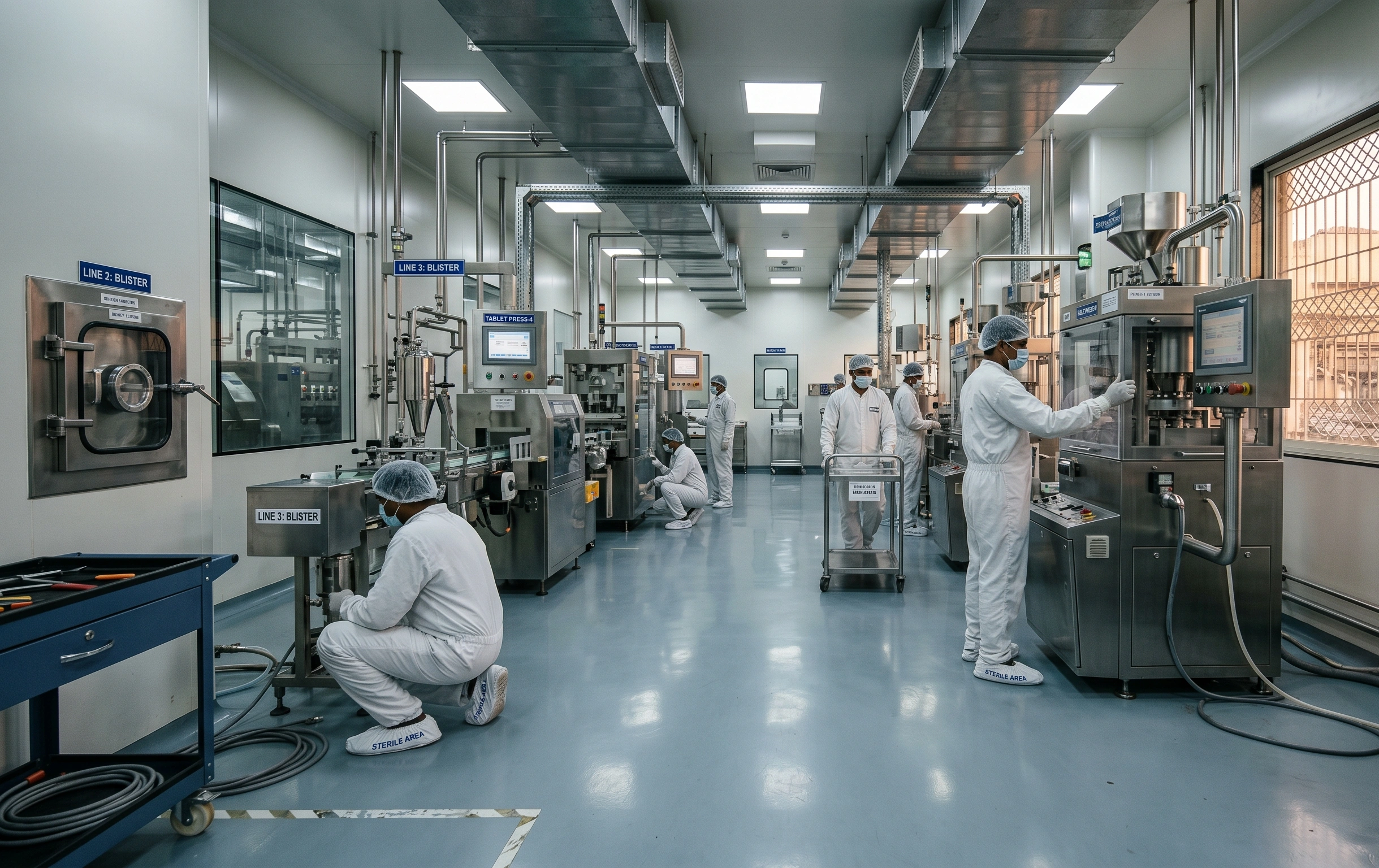
A pharmaceutical facility sought to accelerate renewable adoption in line with corporate sustainability commitments. However, the operating profile included:
The plant operated under:
24×7 base-load demand
Strict validation and compliance controls
Sensitivity to voltage fluctuation
Risk-averse operations teams
Limited structured roadmap for renewable scaling
Sustainability targets existed, but integration required disciplined planning.
Our Approach
Energy Management
SunDesh structured a renewable RE100 roadmap and focused on controlled integration. We developed a compliance-aligned renewable energy strategy that included:
- Renewable energy footprint assessment
- RE100 and long-term roadmap planning
- Conservative Open Access structuring
- Hybrid configuration evaluation
- Tariff optimisation aligned to stable base-load demand
The focus was calibrated renewable energy scaling within defined operational safeguards.
Controlled Renewable Energy Integration for a Pharmaceutical Facility
A pharmaceutical manufacturer engaged SunDesh to expand renewable energy usage while safeguarding compliance and production integrity.
SunDesh’s Energy Management Solutions helped assess the facility’s demand behaviour and identify stable base-load bands suitable for renewable substitution. A phased renewable roadmap was developed to address the RE100 objectives and internal risk thresholds. Open Access Solar power structuring and tariff modelling were calibrated to maintain reliability discipline while improving long-term cost visibility. The resulting strategy enabled renewable energy growth within compliance guardrails.
Outcome
The engagement resulted in:
- Structured RE100-aligned renewable energy roadmap
- Renewable integration aligned to stable base-load demand
- Maintained compliance and validation integrity
- Improved long-term tariff visibility
- Controlled, risk-managed sustainability progression
Our Projects
Vertical Axis Wind Turbine
Details:
- Low-Wind Efficiency
- Urban Integration
- Noise Reduction
Thermal Storage Plant
Details:
- Molten Salt Tanks
- Heat Preservation
- Night Discharge
Waste-to-Energy Hub
Details:
- Plasma Gasification
- Steam Turbines
- Ash Recycling
Frequently Asked Questions for Pharmaceuticals
FREQUENTLY ASKED QUESTIONS
What challenges arise when managing solar across multiple warehouse locations?
Operators often struggle with inconsistent monitoring, maintenance practices, and performance visibility across sites. Centralised governance helps standardise performance.
What is open access solar for pharmaceutical industries?
Open access solar allows pharmaceutical companies to purchase solar power directly from large renewable energy plants through the grid at competitive electricity rates.
How can pharmaceutical manufacturing plants benefit from renewable energy?
Renewable energy solutions help pharmaceutical manufacturing plants lower energy expenses, reduce carbon emissions, and improve long-term energy security.
Start With Your Demand
Effective energy solutions are not selected;
they are designed.
If your operations are growing, evolving, or becoming more complex, the right place to begin your green transition is by understanding your energy needs. We help you do that.