Sundesh

Metals & mining

Renewable energy strategy for peak-intensive industrial operations

Renewable Energy Strategy for a Steel Plant

India’s metals and mining sector is under growing pressure to decarbonise energy-intensive operations while maintaining productivity and profitability. 

Solar, wind, captive renewable energy, power sale advisory, and asset management services help mining and metals businesses reduce fuel dependence, improve power cost visibility, and strengthen ESG performance. 

With expert project development, EPC, and O&M, companies can accelerate their net-zero journey and improve ROI through efficient, large-scale clean energy adoption.

The Challenge

A steel manufacturing facility had adopted open-access solar energy to reduce grid power costs. 

While overall KWh consumption reduced, energy billing did not improve proportionately.

The plant operated under:

Short, high-intensity demand spikes from furnace cycles

Significant demand charges linked to peak intervals

Daytime generation not aligned with peak load events

Limited visibility into interval-level load behaviour

Rising long-term tariff pressure

Solar energy reduced consumption units, but peak billing demand remained largely unchanged.

Our Approach

Energy Management

SunDesh focused on structured renewable energy sourcing, energy optimisation, and tariff recalibration. We re-evaluated the facility’s operational demand profile and designed a renewable sourcing framework under our Energy Management vertical.

  • Interval-level load analysis
  •  Demand-charge impact modelling
  •  Open Access and hybrid renewable energy strategy recalibration
  •  Tariff optimisation and contract restructuring
  •  Alignment of renewable energy supply to stable base-load bands

The solution was structural correction, not capacity expansion.

steel-4

Peak-Calibrated Renewable Energy Design for a Steel Manufacturing Facility

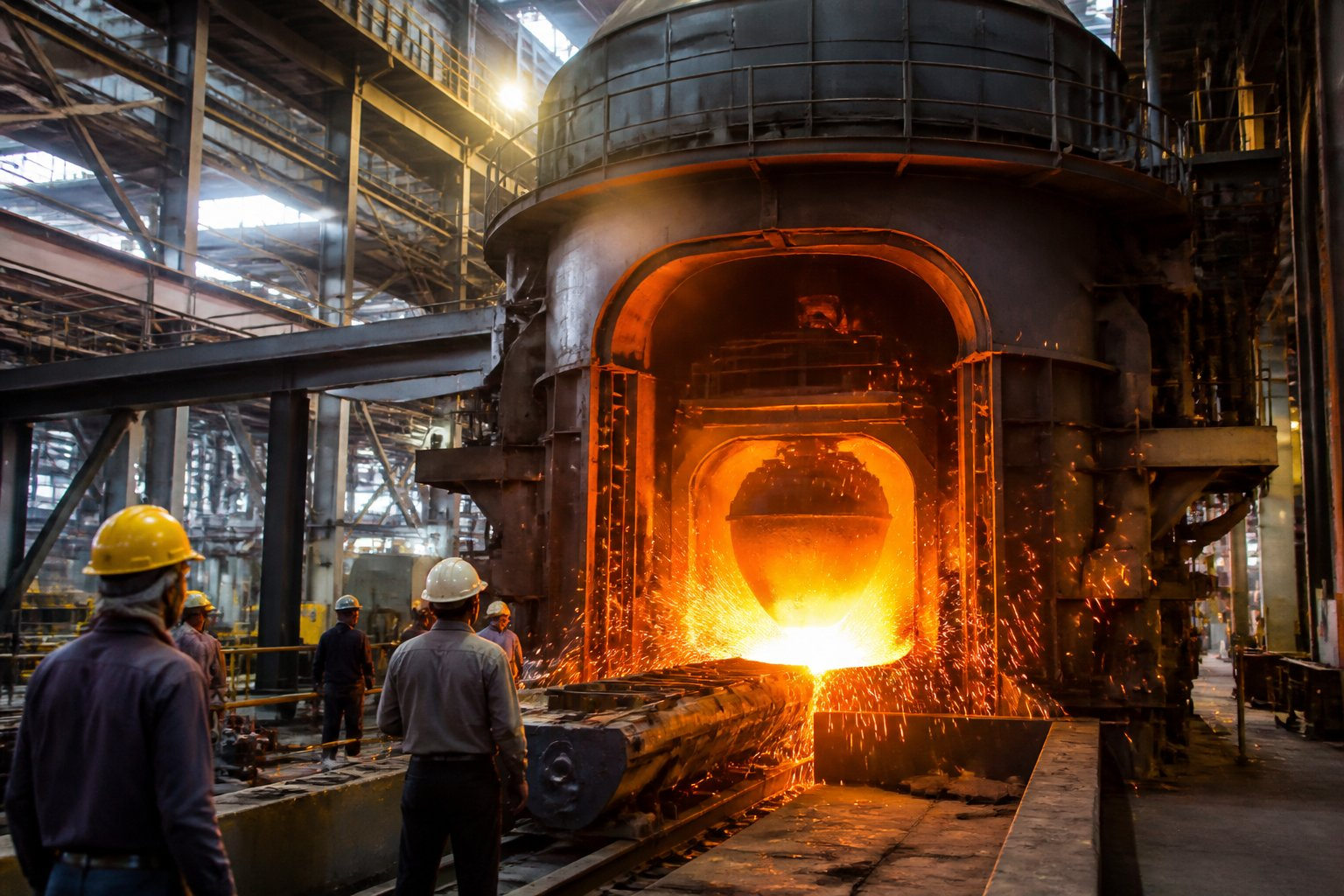
A steel manufacturer partnered with SunDesh after observing limited financial impact from its existing renewable energy procurement strategy.

Through structured Energy Management, SunDesh analysed interval demand behaviour and identified that short-duration peaks were disproportionately influencing billing demand. The existing renewable energy sourcing model was designed around annual energy volumes rather than real-time interval-level load.

SunDesh recalibrated the sourcing architecture to offset stable base-load demand while preserving grid flexibility for high-intensity furnace operations. Open Access structuring and tariff optimisation improved cost predictability without compromising operational continuity.

Outcome

steel-3

The engagement resulted in:

  • Improved alignment between renewable sourcing and base-load demand
  •  Reduced structural exposure to peak-driven cost distortion
  • Greater clarity on demand-charge impact
  • Enhanced long-term tariff predictability
  • Renewable adoption without compromising operational stability

Our Projects

Vertical Axis Wind Turbine

Vertical Axis Wind Turbine

Details:

  • Low-Wind Efficiency
  • Urban Integration
  • Noise Reduction
Thermal Storage Plant

Thermal Storage Plant

Details:

  • Molten Salt Tanks
  • Heat Preservation
  • Night Discharge
Waste-to-Energy Hub

Waste-to-Energy Hub

Details:

  • Plasma Gasification
  • Steam Turbines
  • Ash Recycling

Frequently Asked Questions for the Metals & Mining Industry

FREQUENTLY ASKED QUESTIONS

What is a solar feasibility and demand-charge impact modeling analysis?

It is a technical and financial assessment where SunDesh analyzes your plant’s historic interval billing data. Rather than assessing just your monthly consumption, we model how short-duration peak intervals impact your overall billing demand. This allows us to structure Open Access agreements and contract terms that maximize cost savings.

What are the benefits of integrating peak-calibrated renewable energy?

By aligning renewable sourcing directly with your base-load demand and optimizing tariff structures, steel plants can experience:
– Significant reductions in exposure to peak-driven cost distortions.
– Clear visibility and control over interval-level demand charges.
– Enhanced predictability of long-term electricity tariffs.
– Operational stability without compromising the heavy power requirements necessary for metal manufacturing.

How does SunDesh optimize energy sourcing for heavy metal and steel manufacturing facilities?

Instead of simply expanding solar capacity, we implement a structured structural correction under our Energy Management vertical. We perform an interval-level load analysis to map peak-demand behaviors, and then design a hybrid renewable sourcing architecture. This architecture offsets the stable base-load bands with clean energy while keeping the grid flexible enough to absorb high-intensity, unpredictable furnace cycles.

Start With Your Demand

Effective energy solutions are not selected; 

they are designed.

If your operations are growing, evolving, or becoming more complex, the right place to begin your green transition is by understanding your energy needs. We help you do that.