Cement
Renweable Asset Management for Continuous Industrial Throughput
Structured Lifecycle Governance for a
Cement Plant
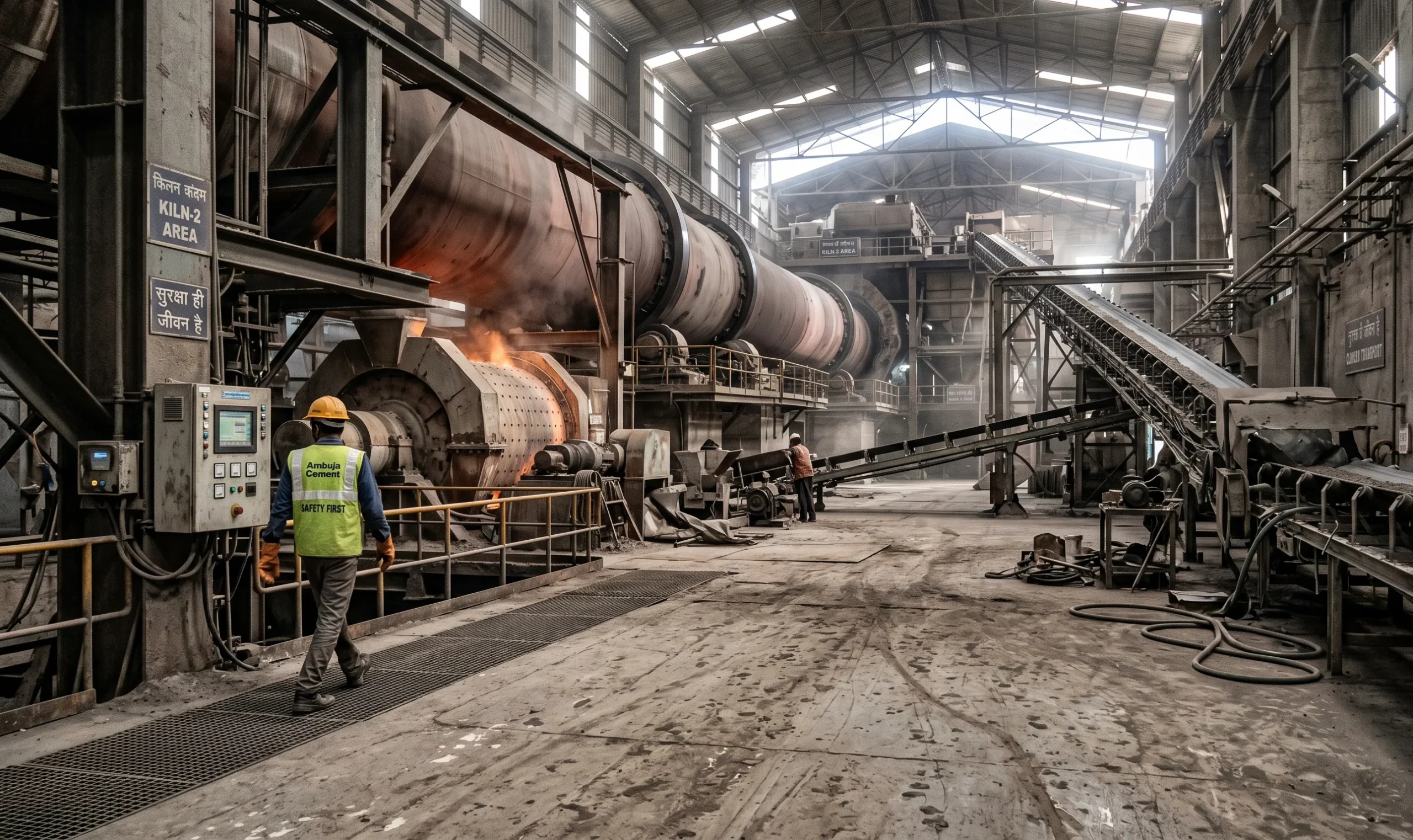
As one of India’s most energy-intensive sectors, cement is a strong candidate for renewable energy transition, captive power solutions, and energy management optimisation.
By adopting solar, wind, hybrid energy systems, EPC, O&M, and asset management, cement companies can lower energy costs, improve power reliability, and reduce carbon intensity.
These investments support net-zero transition goals while delivering stronger ROI through efficiency gains, better plant performance, and long-term cost control.
The Challenge
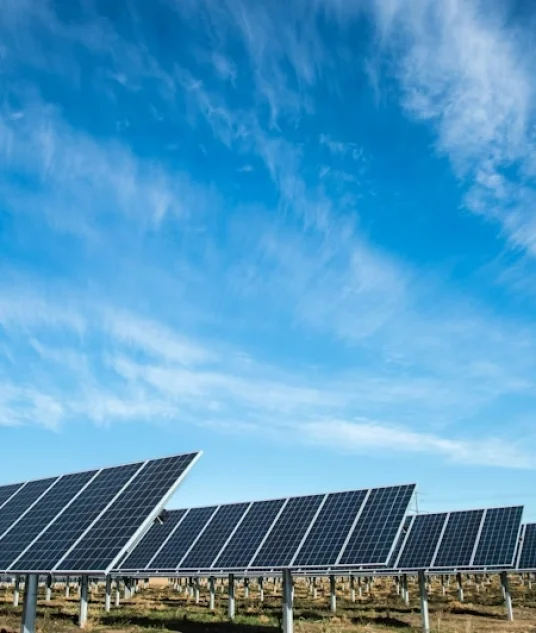
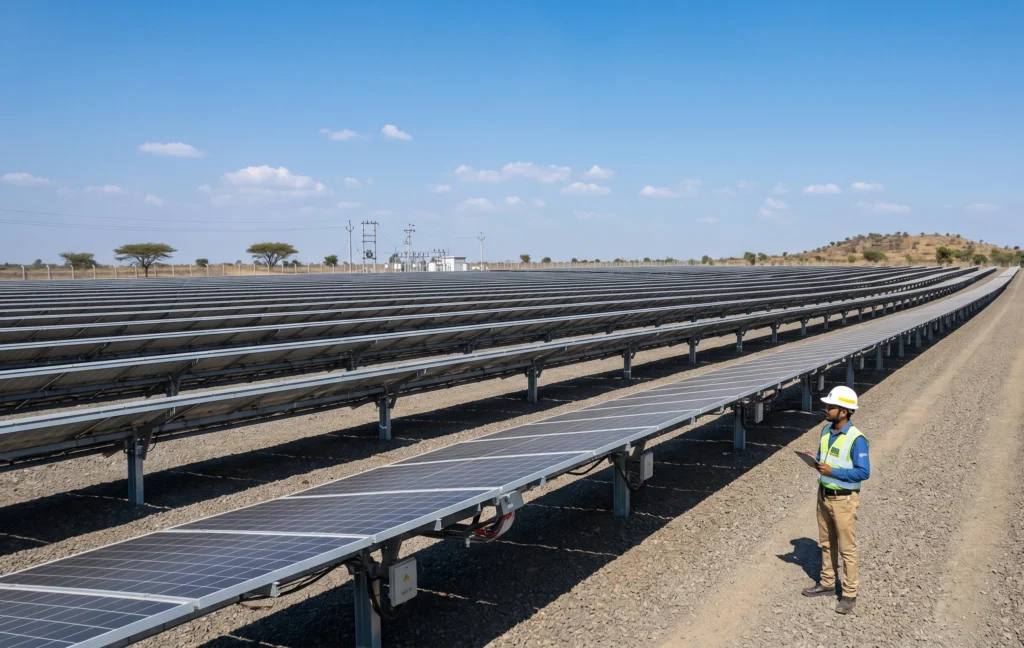
A cement manufacturer with an operational captive solar plant experienced gradual performance erosion over time.
TheThe operating environment included:
24×7 base-load demand
GenerationHigh particulate exposure
ReactiveReactive O&M without structured benchmarking
Limited visibility into Performance Ratio (PR) trends
AlignmentNo formal lifecycle performance governance
The renewable energy plant was functional, but not optimised.
Our Approach
Asset Management and O&M Services
The industry challenge was addressed through Asset-Management-As-A-Service. SunDesh deployed structured asset governance to restore performance discipline:
- PR and CUF benchmarking against design expectations
- SCADA-driven monitoring and deviation tracking
- Preventive maintenance framework
- Warranty and contract oversight
- Targeted yield recovery planning through retrofitting
The focus was disciplined optimisation of existing renewable infrastructure, not incremental repair.
Lifecycle Performance Governance for a Cement Facility
A cement company partnered with SunDesh to strengthen the operational integrity of its renewable asset.
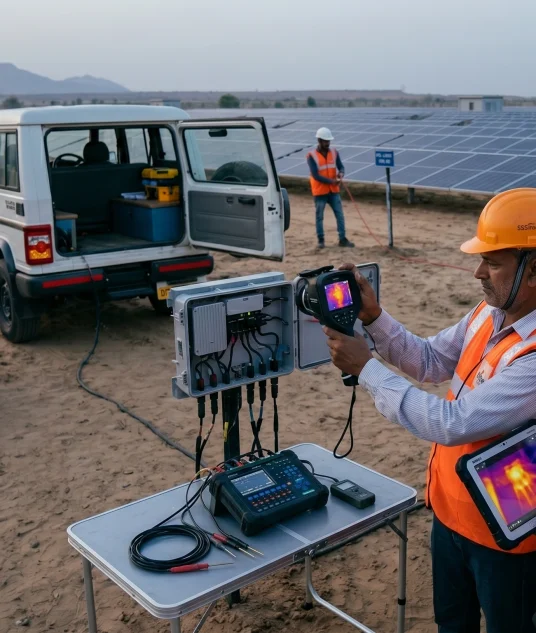
Under Asset Management and O&M, SunDesh established structured monitoring, performance benchmarking, and preventive maintenance protocols. Diagnostics identified environmental exposure and lifecycle wear as key contributors to declining yield.
Through targeted retrofits and governance controls, the plant was stabilised and recalibrated to support continuous industrial demand with greater performance transparency.
The intervention shifted the asset from reactive maintenance to governed lifecycle management.
Outcome
The engagement resulted in:
- Restored renewable asset performance and reinstated yield consistency.
- Reduced avoidable degradation exposure.
- Established structured PR and CUF oversight.
- Strengthened lifecycle visibility for leadership.
- Extended operational life of the renewable asset.
Our Projects
Vertical Axis Wind Turbine
Details:
- Low-Wind Efficiency
- Urban Integration
- Noise Reduction
Thermal Storage Plant
Details:
- Molten Salt Tanks
- Heat Preservation
- Night Discharge

Waste-to-Energy Hub
Details:
- Plasma Gasification
- Steam Turbines
- Ash Recycling
Frequently Asked Questions for the Cement Industry
FREQUENTLY ASKED QUESTIONS
What role does digital monitoring play in renewable asset performance?
Digital monitoring enables real-time visibility into plant performance, generation deviations, and equipment health. Platforms like SunDesh’s SAMRAT command centre allow operators to detect issues early and maintain operational reliability.
Why do solar plants in cement facilities often experience performance decline over time?
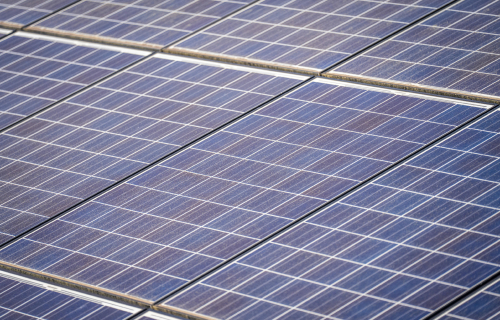
Cement plants operate in dust-intensive environments where particulate accumulation affects panel efficiency and electrical components. Without structured monitoring, benchmarking, and preventive maintenance, renewable assets can gradually lose yield. SunDesh provides lifecycle asset governance to maintain consistent performance.
How can cement companies improve the performance of an existing renewable asset?
Through structured asset management. SunDesh analyses performance ratio trends, identifies degradation drivers, and implements preventive maintenance, inverter diagnostics, and monitoring systems to restore generation stability and extend plant life.
Can renewable assets reliably support continuous cement production operations?
Yes, when integrated correctly. SunDesh aligns renewable generation with base-load consumption patterns and ensures performance governance so that renewable supply supports uninterrupted industrial throughput.
Why is asset governance important after renewable project commissioning?
Many renewable projects focus on installation but lack structured lifecycle oversight. SunDesh provides continuous monitoring, benchmarking, and predictive maintenance to ensure long-term yield integrity and financial performance.
Start With Your Demand
Effective energy solutions are not selected;
they are designed.
If your operations are growing, evolving, or becoming more complex, the right place to begin your green transition is by understanding your energy needs. We help you do that.