Sundesh

Textiles

Renewable energy design for process-variable, production-driven operations

Governed Rooftop Solar Delivery for a Textile Manufacturing Facility

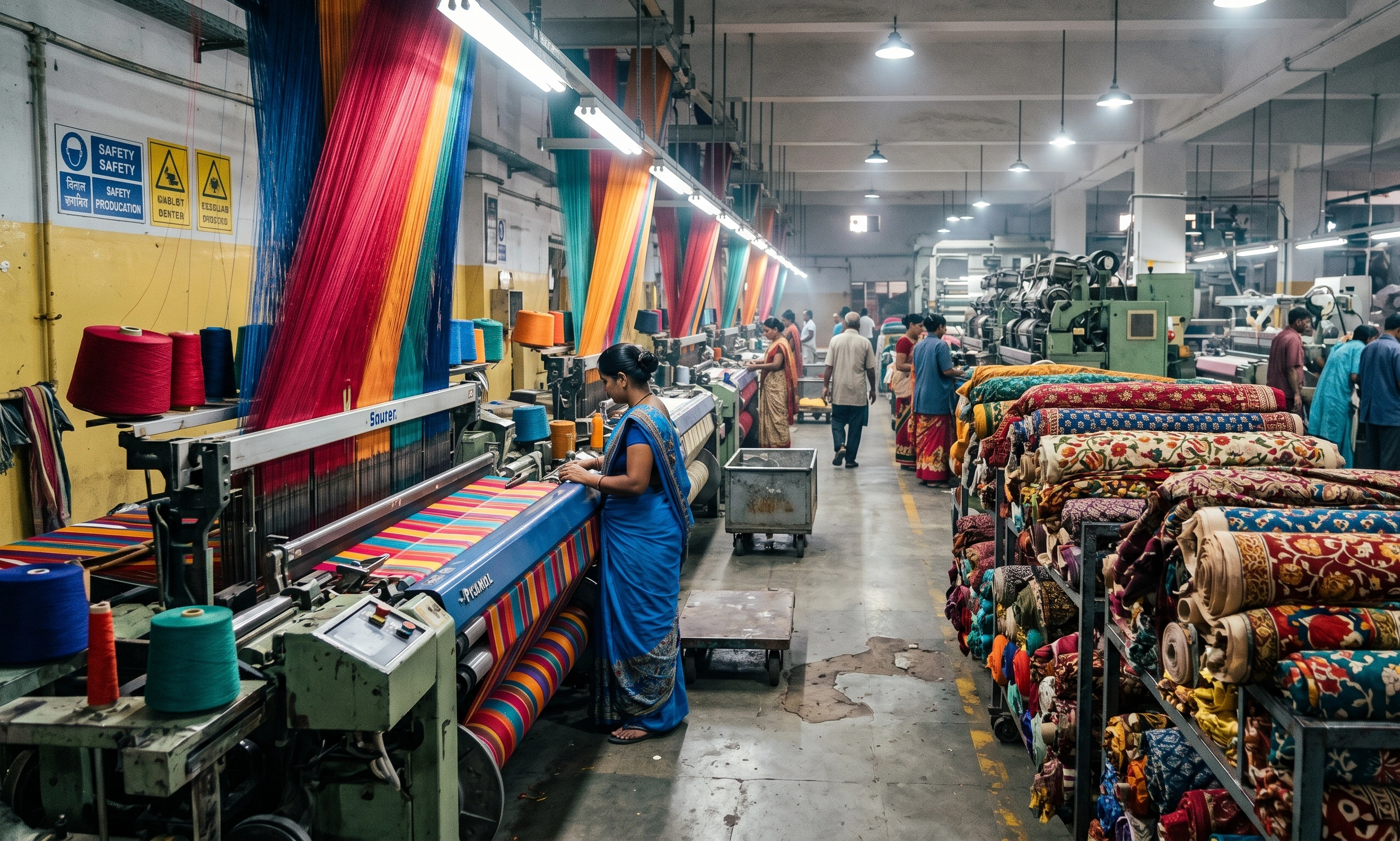
The textile industry in India can significantly benefit from renewable energy, energy management solutions, and demand-based power procurement to manage high operating costs and improve sustainability performance. 

Solar and wind EPC, O&M, and asset improvement services help textile manufacturers reduce dependence on conventional power,

stabilize energy expenses, and strengthen export competitiveness. A smart clean energy strategy also supports net-zero commitments, supply chain compliance, and better ROI through efficient, low-carbon production.

textile-1

The Challenge

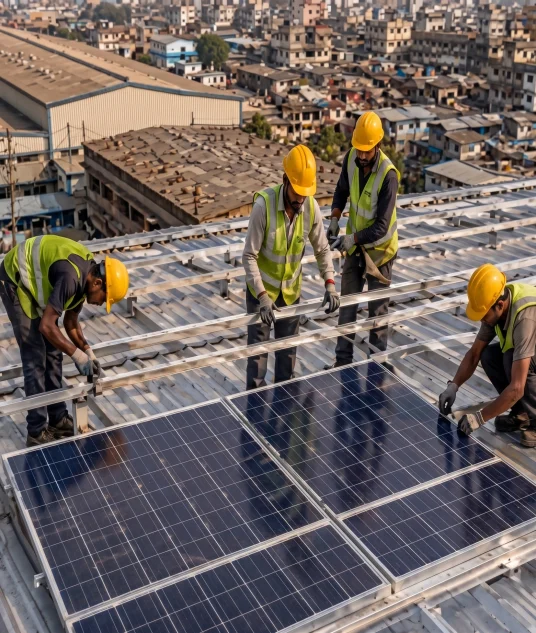
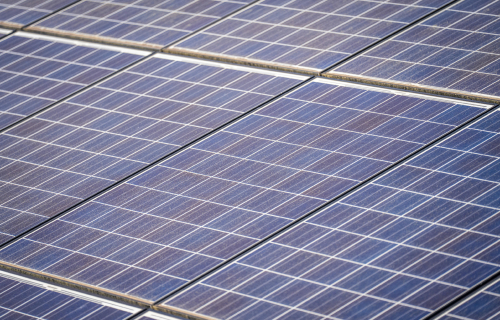
A textile manufacturer undertook a rooftop solar installation to offset daytime production demand.

However, the project faced execution concerns, including:

EPC coordination gaps

Schedule uncertainty

Budget visibility challenges

Rooftop structural and alignment considerations

Limited commissioning validation discipline

The objective shifted from solar panel installation to controlled delivery.

Our Approach

Construction Management

The solution involved independent execution governance across engineering, procurement, and installation activities. SunDesh provided structured Construction Management oversight, including:

  • EPC and vendor governance

  • Budget and schedule monitoring

  • Engineering supervision and quality compliance

  • Commissioning validation and CUF readiness checks

Execution risk was controlled before handover.

textile 3

Governed Renewable Asset Delivery for a
Textile Factory

A textile company engaged SunDesh to oversee the execution of its rooftop renewable installation.

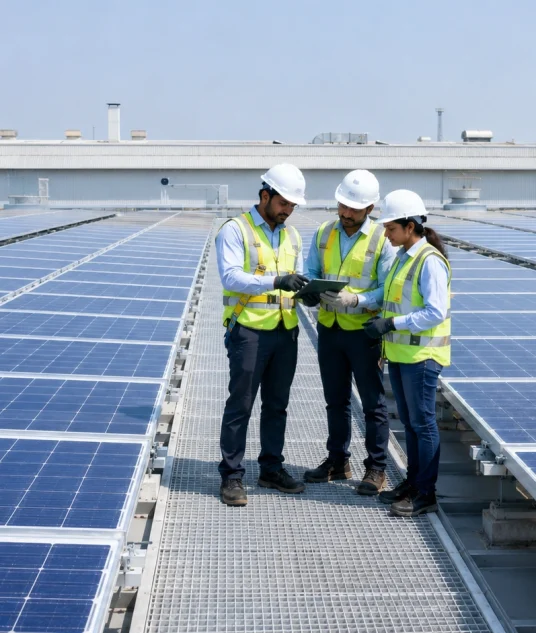
Under Construction Management, SunDesh implemented independent governance across engineering, procurement, and installation activities. Rooftop loading, alignment, and safety compliance were reviewed to ensure structural integrity. Schedule milestones and cost exposure were monitored to prevent execution-stage drift.

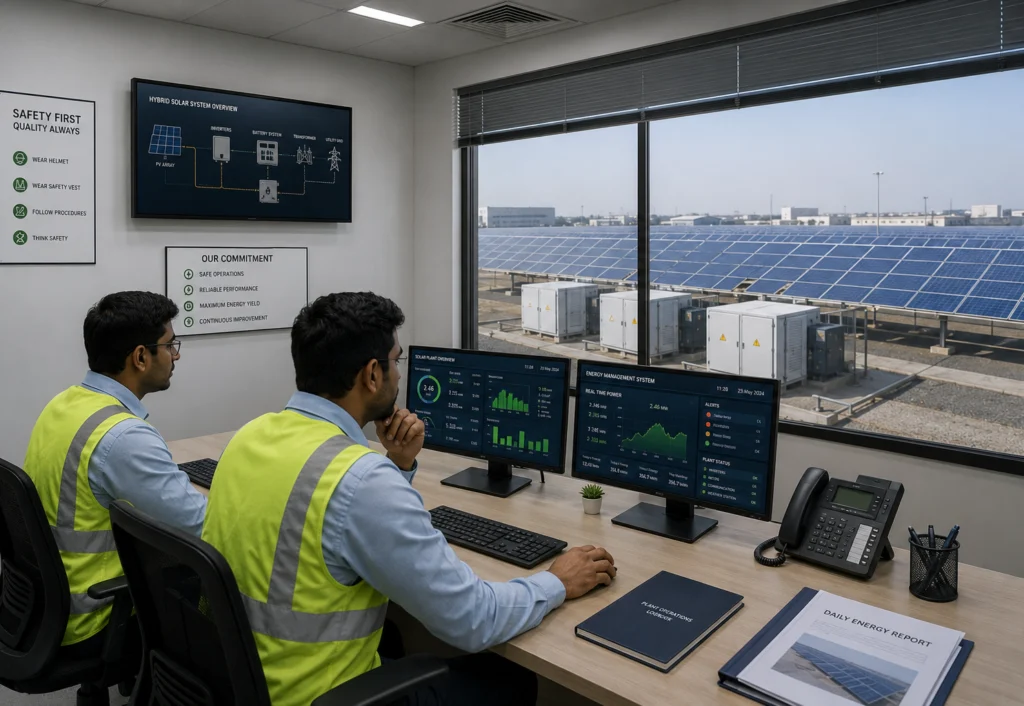
During commissioning, structured performance validation ensured grid synchronisation, SCADA readiness, and CUF alignment before formal handover.

The intervention transformed a vendor-led installation into a governed infrastructure project aligned with operational and financial expectations.

Outcome

The engagement resulted in:

  • Controlled schedule and budget exposure

  • Strengthened engineering and quality oversight

  • Structured commissioning and grid synchronisation

  • Improved CUF readiness at handover

  • Reduced execution-stage risk

Our Projects

Vertical Axis Wind Turbine

Vertical Axis Wind Turbine

Details:

  • Low-Wind Efficiency
  • Urban Integration
  • Noise Reduction
Thermal Storage Plant

Thermal Storage Plant

Details:

  • Molten Salt Tanks
  • Heat Preservation
  • Night Discharge
Waste-to-Energy Hub

Waste-to-Energy Hub

Details:

  • Plasma Gasification
  • Steam Turbines
  • Ash Recycling

Frequently Asked Questions for the Textiles Industry

FREQUENTLY ASKED QUESTIONS

How can textile manufacturing units benefit from renewable energy?

Renewable energy solutions help textile manufacturing units lower operational expenses, improve energy reliability, and reduce carbon emissions.

Can textile factories install rooftop solar systems?

Yes, textile factories can use rooftop solar systems to generate clean electricity and reduce dependence on conventional grid power.

Start With Your Demand

Effective energy solutions are not selected; 

they are designed.

If your operations are growing, evolving, or becoming more complex, the right place to begin your green transition is by understanding your energy needs. We help you do that.