
Steel & Metals Manufacturing
Structured renewable energy strategy for peak-intensive industrial operations
Recalibrating Renewable Structuring for a Steel Manufacturing Facility
In steel manufacturing, energy demand can shift sharply within minutes. Furnace cycles, rolling operations, and finishing processes create short-duration peaks that significantly influence demand charges and overall tariff exposure.
Renewable energy adoption in such environments must account not only for total consumption, but for peak behaviour.

The Challenge
A steel manufacturing facility had adopted open-access solar to reduce grid energy costs. While overall KWh consumption reduced, energy billing did not improve proportionately.
The plant operated under:
- Short, high-intensity demand spikes from furnace cycles
- Significant demand charges linked to peak intervals
- Daytime generation not aligned with peak load events
- Limited visibility into interval-level load behaviour
- Rising long-term tariff pressure
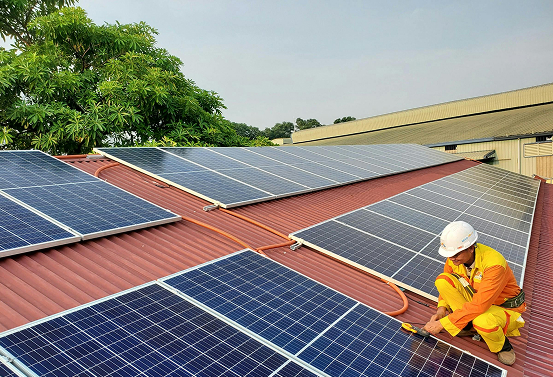
Solar reduced energy units, but peak billing demand remained largely unchanged.
Our Approach
Energy Management
SunDesh focused on structured renewable sourcing and tariff optimisation. We re-evaluated the facility’s demand profile. Based on this, a sourcing framework was designed under its Energy Management vertical.
- Interval-level load analysis
- Demand-charge impact modelling
- Open Access and hybrid strategy recalibration
- Tariff optimisation and contract restructuring
- Alignment of renewable supply to stable base-load bands
The solution was structural correction, not capacity expansion.

Peak-Calibrated Renewable Design for a Steel
Manufacturing Facility
A steel manufacturer partnered with SunDesh after observing limited financial impact from its existing renewable energy procurement strategy.
Through structured Energy Management, SunDesh analysed interval demand behaviour and identified that short-duration peaks were disproportionately influencing billing demand. The existing renewable sourcing model was designed around annual energy volumes rather than interval-level load.
SunDesh recalibrated the sourcing architecture to offset stable base-load demand while preserving grid flexibility for high-intensity furnace operations. Open Access structuring and tariff optimisation improved cost predictability without compromising operational continuity.
Outcome
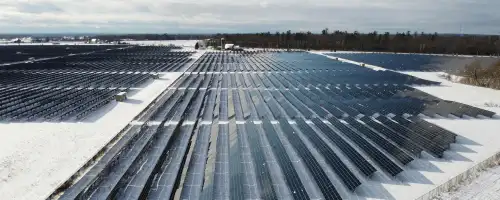
The engagement resulted in:
- Improved alignment between renewable sourcing and base-load demand
- Reduced structural exposure to peak-driven cost distortion
- Greater clarity on demand-charge impact
- Enhanced long-term tariff predictability
- Renewable adoption without compromising operational stability
Right Technology, Right Sizing, Right Design
Effective energy systems are not selected; they are designed.
Whether through Captive, Group Captive, or Open Access PPA, renewable infrastructure delivers the best ROI when designed around real demand behaviour and the latest best-in-class technologies.
Get a free assessment to build your Net-Zero Pathway. Book Here
Everything You Need to Know About SunDesh Renewable Energy Solutions
FREQUENTLY ASKED QUESTION