Sundesh

Automotive

Renewable Energy Investment Strategy for Manufacturing Leaders

Transaction Advisory for an Automotive Facility

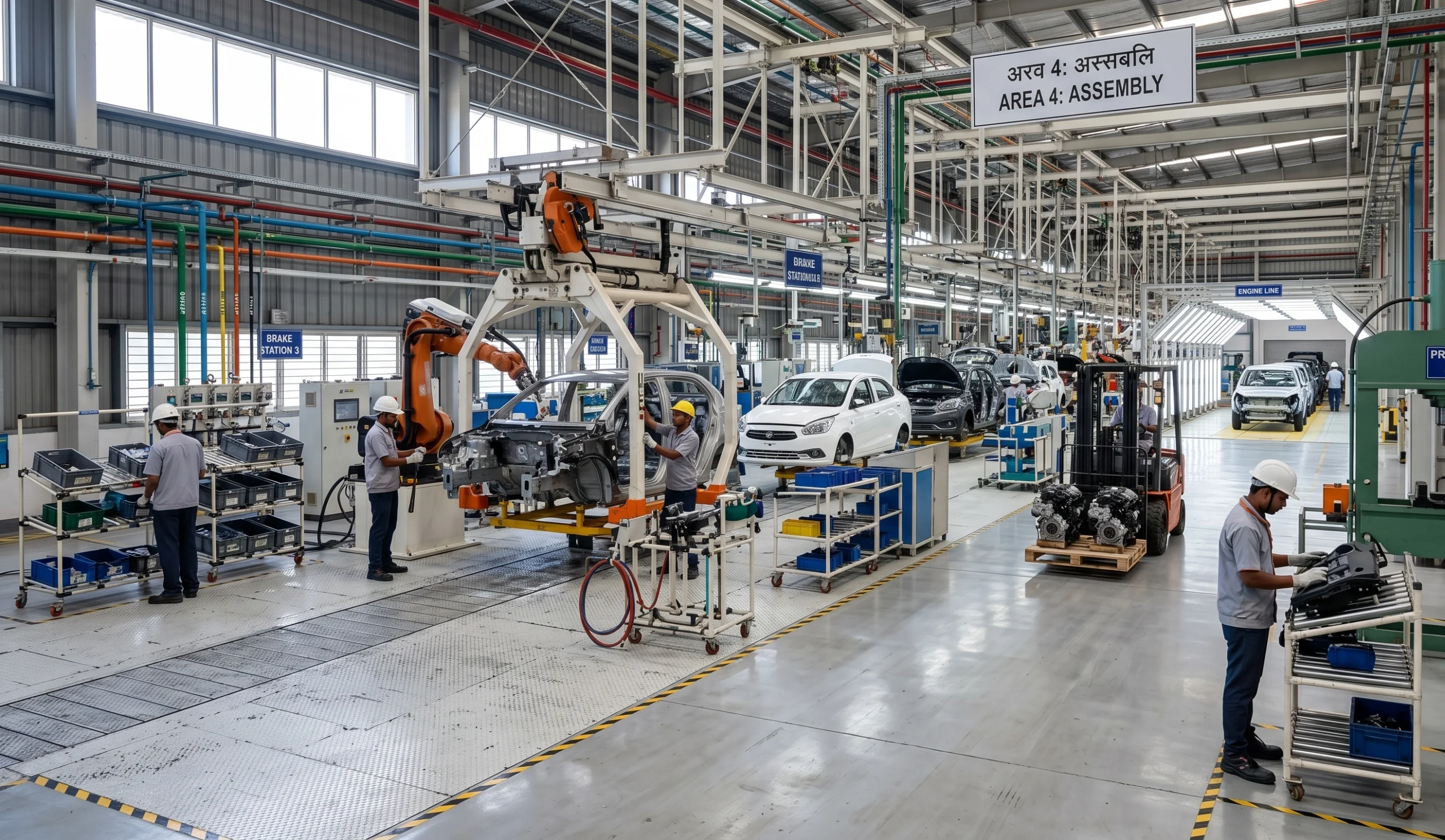
The automotive industry in India is strengthening its net-zero strategy by adopting renewable energy, solar and wind power procurement, and advanced energy management solutions across manufacturing plants and supply chains. 

Through expert EPC, project development, O&M, asset management, and transaction advisory, automotive businesses can reduce power costs, improve energy reliability, and align with global sustainability expectations. 

Renewable investments also create long-term ROI by enhancing efficiency, resilience, and low-carbon industrial competitiveness.

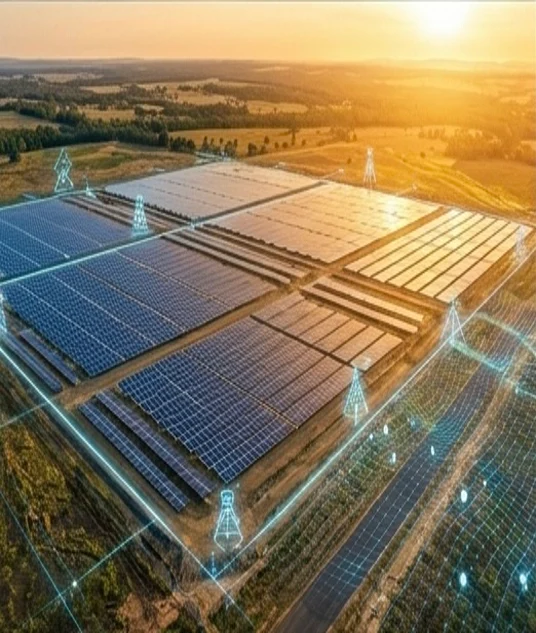
feasibility_7_resized_536x633

The Challenge

An automotive manufacturer planned to invest in a Group Captive renewable asset to secure a stable green energy supply.

The plant operated under:

Independent CUF and PR validation

Lifecycle risk assessment

Technical reliability review

Valuation benchmarking

Structuring clarity for equity participation

The objective was disciplined capital deployment, not opportunistic investment.

Our Approach

Transaction Advisory

SunDesh delivered integrated technical and financial due diligence to support disciplined investment in a renewable Group Captive asset. SunDesh delivered structured advisory support, including:

  • Technical plant reliability assessment
  • CUF and PR validation
  • O&M gap analysis
  • Lifecycle risk evaluation
  • Valuation and ownership structuring support
  • Governance design for SPV participation
  •  

Technical findings were translated into financial impact before investment commitment.

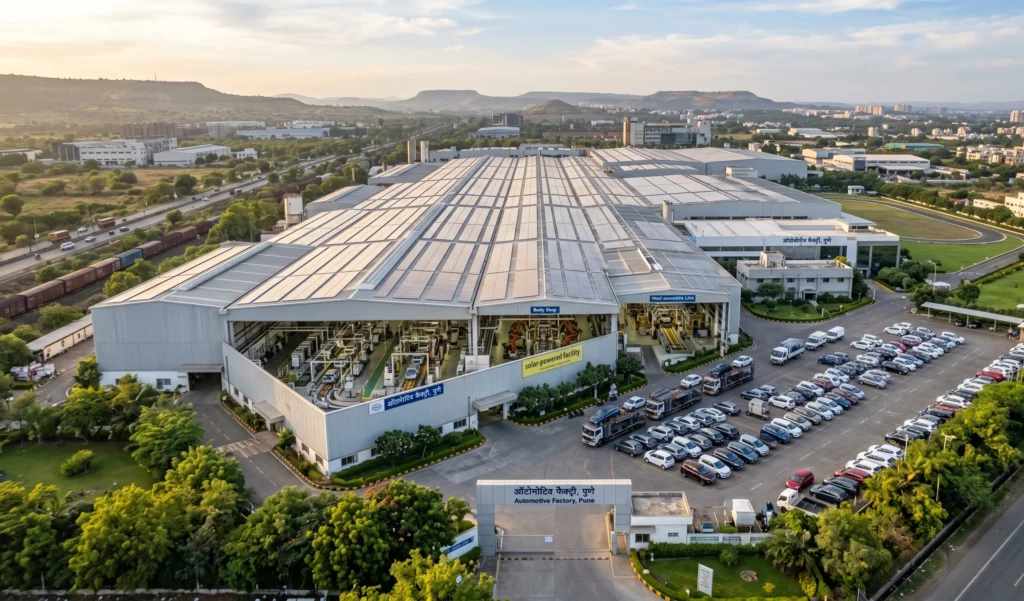
auto 3

Group Captive Investment Advisory for an Automotive Manufacturer

An automotive OEM engaged SunDesh to evaluate equity participation in a renewable Group Captive project.

Under Transaction Advisory, SunDesh conducted independent technical due diligence to assess plant reliability, generation assumptions, and operational risks. CUF projections and performance history were benchmarked against realistic site conditions.


Commercial structuring and valuation analysis were performed to align equity participation with long-term energy security objectives. Governance mechanisms for SPV ownership were structured to protect the manufacturer’s interests across the asset lifecycle.

The engagement enabled capital allocation backed by engineering clarity and structured risk evaluation.

Outcome

The engagement resulted in:

  • Independent validation of generation and reliability assumptions

  • Clear translation of technical risk into financial impact

  • Structured equity participation model

  • Strengthened governance in renewable asset ownership

  • Renewable investment aligned with long-term manufacturing strategy

Our Projects

Vertical Axis Wind Turbine

Vertical Axis Wind Turbine

Details:

  • Low-Wind Efficiency
  • Urban Integration
  • Noise Reduction
Thermal Storage Plant

Thermal Storage Plant

Details:

  • Molten Salt Tanks
  • Heat Preservation
  • Night Discharge
Waste-to-Energy Hub

Waste-to-Energy Hub

Details:

  • Plasma Gasification
  • Steam Turbines
  • Ash Recycling

Frequently Asked Questions for Automotive Industry

FREQUENTLY ASKED QUESTIONS

What are the benefits of solar energy for automotive component manufacturing units?

Solar energy helps automotive component manufacturers lower operational expenses, stabilize energy costs, reduce carbon emissions, and improve sustainability performance.

How does group captive solar work for automotive manufacturers?

Group captive solar enables multiple businesses to jointly invest in a solar power project and consume renewable energy at competitive rates through shared ownership.


What are captive solar solutions for automotive companies?

Captive solar solutions allow automotive companies to generate electricity for their own consumption through dedicated solar power plants, reducing dependence on grid electricity.

Start With Your Demand

Effective energy solutions are not selected; 

they are designed.

If your operations are growing, evolving, or becoming more complex, the right place to begin your green transition is by understanding your energy needs. We help you do that.